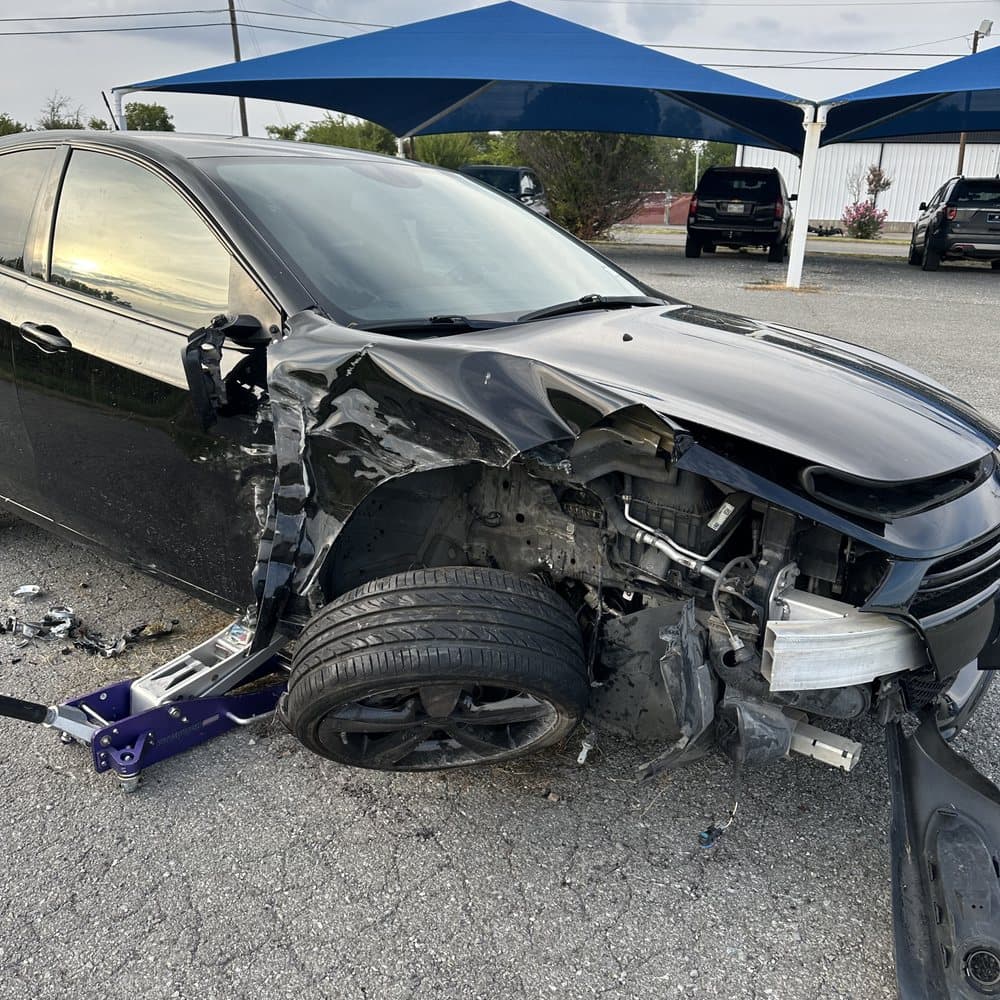
A write-off is not automatically a death sentence for a car — but buying one without knowing changes everything. Here is what the categories mean and how to check.
What makes a car a write-off
A car is declared a write-off — also called a total loss or, in Germany, Totalschaden — when an insurer decides the cost of repair exceeds a threshold relative to the vehicle's market value. The threshold varies by country and insurer, but a common benchmark is 60–70 percent of pre-accident value. This is a financial decision, not necessarily a safety one.
In most European jurisdictions, write-offs are categorised by damage severity. The lightest category covers cars that are economically unviable to repair but structurally intact; the most severe covers vehicles that are unsafe to drive in any condition. The category determines whether the car can legally return to the road — and whether it will show on a history report.
The five categories explained
- Category A — scrap only. The vehicle must be crushed. No parts may be re-sold for road use. Any car appearing under this category on a history report should never be driven on public roads, regardless of how it looks or what the seller claims.
- Category B — body shell must be crushed. Mechanical parts may be stripped and re-sold, but the body shell must be destroyed. A VIN logged as Category B can never legally return to the road — if the car appears to exist under this VIN, it has been fraudulently rebuilt.
- Category S / N — structurally or non-structurally damaged. These vehicles can legally be repaired and returned to the road after a professional inspection confirms the repair meets safety standards. A Cat S/N car bought cheaply and repaired well can represent genuine value — but only if you know about it upfront.
- Category U — uninsured or no claim made. The damage was not reported to an insurer. There is no formal write-off marker, but crash damage exists. This is the hardest category to detect without a professional inspection combined with a VIN history check.
- Country-specific total-loss records. Germany uses Totalschaden and Wirtschaftlicher Totalschaden; the Netherlands logs BPM-vrijstelling records; other EU countries have their own systems. A car imported from one country may carry a total-loss status that is invisible in the destination country's databases — making a cross-border history check essential.
Reveal the write-off status before you buy
AutoProVin pulls from insurance and roadworthiness databases across multiple EU countries. Enter the VIN and see whether a total-loss or major-damage record is attached to this vehicle — across any market it has been registered in.
Check write-off status