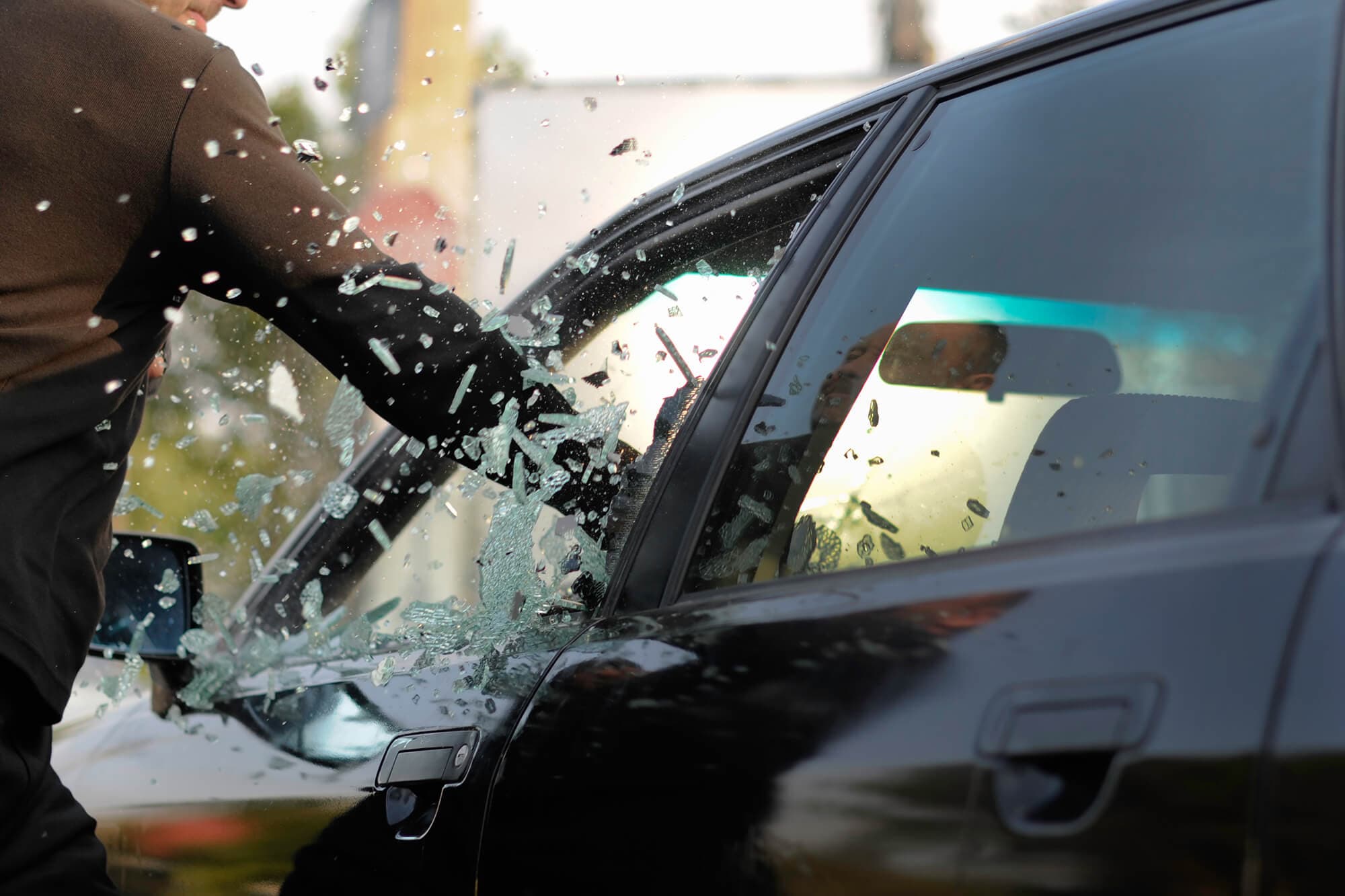
Buying a stolen car can cost you the vehicle and your money — with no legal recourse. Here are the steps and tools to check before you pay.
The real risk of buying a stolen vehicle
If you unknowingly purchase a stolen car, the law in most countries requires the vehicle to be returned to its rightful owner or insurer — regardless of what you paid for it. Unlike fraudulent goods sales, buying stolen property in good faith does not guarantee you title to the vehicle. You lose the car and your money simultaneously.
Theft records are maintained by police databases, insurance companies and specialised national registers. A VIN check cross-references these sources and returns any active or historic theft flags attached to the vehicle — usually within seconds of entering the number.
Five ways to spot a stolen car before it is too late
- Run a VIN check before the test drive. Do not wait until after you have fallen in love with the car. A VIN check should be the first step — before you arrange a viewing, before a test drive, before any negotiation. If the VIN returns a theft flag, the conversation ends there.
- Check that all VINs match. Every car has a VIN stamped on the dashboard (visible through the windscreen), pressed into the door pillar and recorded on the registration document. A mismatch between any two of these — or signs of grinding, re-stamping or damage around the stamp — indicates possible cloning or plate switching.
- Verify the registration plates match the VIN. Stolen cars are sometimes given plates from a similar legitimate vehicle — a technique called cloning. If the plates and VIN do not correspond to the same vehicle in official records, the car you are looking at is almost certainly stolen or cloned.
- Be suspicious of unusually low prices. Stolen vehicles must be sold quickly and for cash. A current-generation car priced significantly below book value, offered with urgency and a preference for cash payment, should trigger immediate caution regardless of how credible the seller sounds.
- Refuse to meet in unofficial locations. Thieves rarely offer to meet at a registered dealership or the address on the registration document. If the seller insists on a car park, motorway services or any location that cannot be linked back to them, treat this as a serious warning sign.
Confirm it is clean in under 60 seconds
AutoProVin cross-references police and insurance theft registers as part of every VIN history report. Enter the vehicle's VIN and receive an instant confirmation of whether any theft record is attached — before you spend a penny on travel, inspection or deposit.
Run a stolen car check