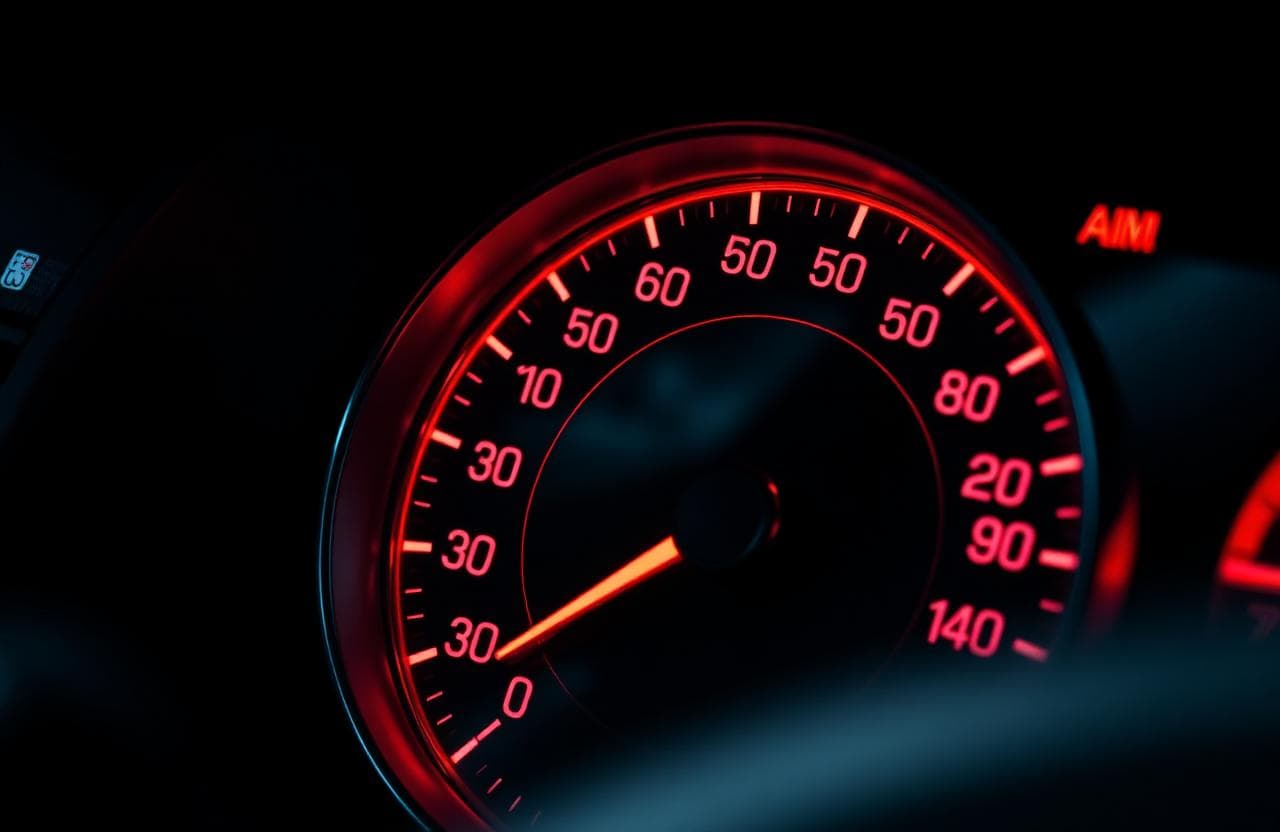
Odometer fraud costs buyers billions every year. Here are the five signs that almost always give it away.
Why this matters
In the EU, an estimated one in three used cars has had its odometer tampered with at some point in its history. A car showing 80,000 km might have actually covered 160,000 km — meaning brakes, clutch, timing belt and other wear items are all due for replacement far sooner than the odometer suggests.
Most rollbacks leave detectable traces. Knowing where to look — and backing your inspection with a VIN history report — can expose the fraud before you lose a single euro.
The five signs
- Inconsistent service stamps. A genuine service book shows stamps at regular intervals with mileage figures that increase steadily. Look for erased or corrected entries, stamps out of sequence, or suspiciously large gaps between services.
- Wear that doesn't match the odometer. Pedal rubbers, steering wheel leather and seat bolsters wear at predictable rates. A car claiming 60,000 km with deeply worn pedals and a polished steering wheel is an immediate red flag.
- Replaced or disturbed instrument cluster. Scratches around the dashboard fascia, mismatched screws or a cluster that looks newer than the surrounding trim can indicate the unit was removed to reset the mileage counter.
- Paint shade variation between panels. Rollback often accompanies concealed accident damage. Uneven panel gaps, slight colour mismatches or overspray on rubber seals point to hidden repair work.
- A seller who refuses a VIN check. Any legitimate seller — private or dealer — has nothing to hide. Resistance to a VIN check, unexplained urgency to close the deal, or inability to account for large mileage gaps are serious warning signs.
Verify it with a VIN check
A VIN history report cross-references the odometer against independent readings from insurance claims, registration renewals, roadworthiness tests and auction records. Discrepancies surface in seconds — and the report takes under 60 seconds to generate.
Check this VIN now